
7 Surprising Benefits of Credit Cards
If you’re wondering what the benefits of credit cards are, you’re not alone. Credit cards can often seem daunting, but they offer a range of advantages that can enhance your financial well-being. From building your credit history to earning rewards, understanding these benefits can help you make informed decisions about your finances.
What are the benefits of credit cards?
When we talk about the benefits of credit cards, we’re referring to their ability to provide financial flexibility, convenience, and rewards. Credit cards are not just a means of borrowing money; they can help you build a positive credit history, manage your finances, and even save money through rewards programs. Let’s delve deeper into these advantages to see how they can work for you.
One of the most significant benefits of credit cards is the ability to build and improve your credit score. Responsible use of credit cards, such as making timely payments and keeping your credit utilization low, can positively impact your credit history. This is crucial for future financial endeavors, such as obtaining loans or mortgages, where a good credit score can save you thousands in interest rates.
Another key benefit is the convenience they offer. Credit cards are widely accepted and can simplify transactions, whether you’re shopping online or in-store. Many credit cards also come with additional features such as fraud protection, which can give you peace of mind when making purchases. Additionally, many cards offer rewards such as cash back, travel points, or discounts, which can enhance your buying experience.
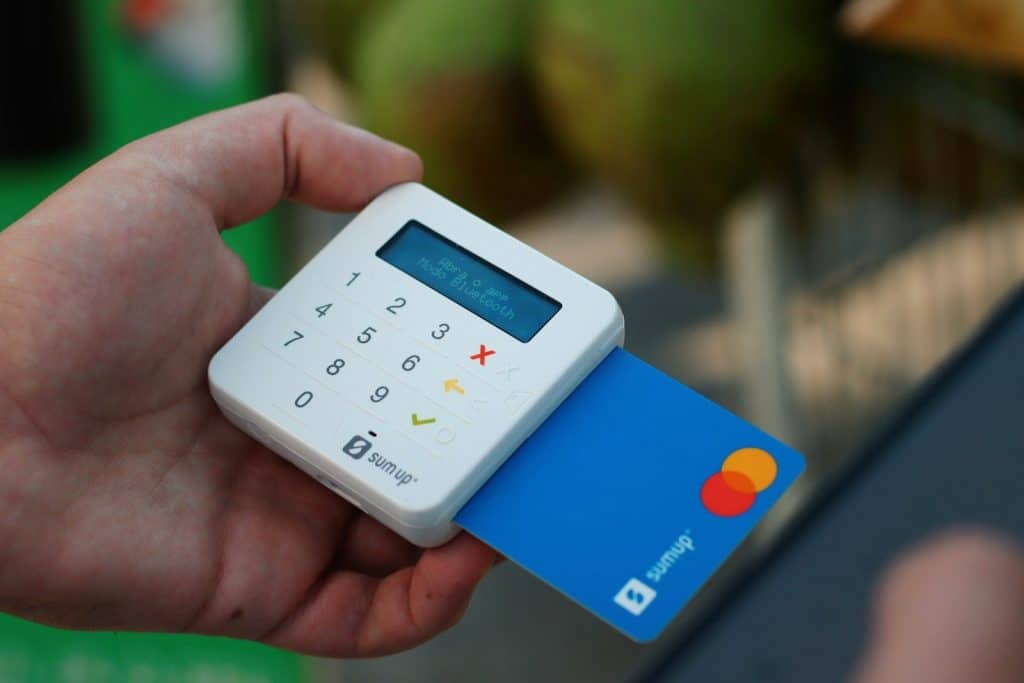
Understanding Credit Card Benefits
Now that we’ve touched on what the benefits of credit cards are, let’s explore some of the specific advantages in more detail:
- Building Credit History: Using a credit card responsibly is one of the best ways to build a strong credit history. Good credit is essential for obtaining loans and mortgages.
- Rewards Programs: Many credit cards offer rewards for each purchase, such as cash back or points redeemable for travel. These rewards can lead to significant savings over time.
- Emergency Funds: A credit card can serve as a backup in case of unexpected expenses, allowing you to cover costs that may arise without immediate cash on hand.
- Purchase Protection: Many credit cards come with purchase protection policies that cover damaged or stolen items, giving you additional security when shopping.
- Travel Benefits: Some credit cards offer travel insurance, rental car coverage, and no foreign transaction fees, making them ideal for frequent travelers.
- Convenience and Ease of Use: With a credit card, you don’t have to carry cash, and you can easily manage your spending through online banking tools.
- Introductory Offers: Many credit cards come with attractive introductory offers such as 0% APR on purchases for a specified period, making it easier to manage large expenses.

Step-by-Step Guide to Maximizing Credit Card Benefits
To truly reap the benefits of credit cards, follow these actionable steps:
- Choose the Right Card: Research various credit card options and select one that aligns with your spending habits and financial goals.
- Pay Your Balance in Full: Always aim to pay your balance in full each month to avoid interest charges and build a positive credit history.
- Take Advantage of Rewards: Use your credit card for regular purchases to maximize reward points, but only if you can pay it off each month.
- Set Up Alerts: Use your bank’s mobile app or online banking to set up alerts for payment due dates and spending limits.
- Review Your Statement: Regularly check your credit card statements for accuracy and unauthorized charges.
- Monitor Your Credit Score: Keep an eye on your credit score and make adjustments to your spending habits if necessary.
Common Mistakes to Avoid
While credit cards offer many benefits, there are common pitfalls to avoid:
- Overspending: It’s easy to spend beyond your means with a credit card. Stick to a budget to avoid accumulating debt.
- Missing Payments: Late payments can hurt your credit score and lead to high interest charges. Set reminders or automate payments.
- Ignoring Fees: Be aware of annual fees, foreign transaction fees, and late payment fees that can accumulate over time.
- Not Utilizing Rewards: If you have a rewards card, make sure to take advantage of the rewards programs available to you.
FAQ
What types of credit cards are best for beginners?
For beginners, secured credit cards or student credit cards are great options. They typically have lower credit limits and can help you build credit responsibly.
How can I improve my credit score using a credit card?
Pay your balance on time, keep your credit utilization below 30%, and avoid opening too many accounts at once to improve your credit score.
Are there any risks associated with credit cards?
Yes, risks include accumulating debt, high-interest rates, and potential damage to your credit score if payments are missed. Always use credit cards responsibly.
Can I use a credit card for everyday purchases?
Absolutely! Using a credit card for everyday purchases can help you earn rewards and build credit, as long as you pay off the balance each month.
What should I do if I can’t make my credit card payment?
If you’re unable to make a payment, contact your credit card issuer immediately. They may offer hardship programs or payment plans to help you manage your debt.
Conclusion
Understanding what the benefits of credit cards are can empower you to use them to your advantage. From building a strong credit history to enjoying rewards and convenience, credit cards can be a valuable financial tool when used wisely. Remember to choose the right card, manage your spending, and stay informed about your credit. Ready to unlock financial freedom? Explore credit card options today and start reaping the benefits!