Do I Need to Pay Taxes?
One of the most common questions individuals have is “Should I pay taxes?” The short answer is yes, most people are required to pay taxes, but the specifics can vary based on multiple factors. This guide will help you understand your tax obligations and provide clarity on when and how to file your taxes.
should I pay taxes
When considering the question “should I pay taxes,” it’s crucial to recognize that tax obligations depend on various factors such as your income, employment status, and location. Generally, if you earn income, you are likely required to pay taxes. The Internal Revenue Service (IRS) mandates that any individual or entity earning above a certain threshold must file a tax return and pay any due taxes. This applies to wages, self-employment income, and even some forms of unearned income, like dividends.
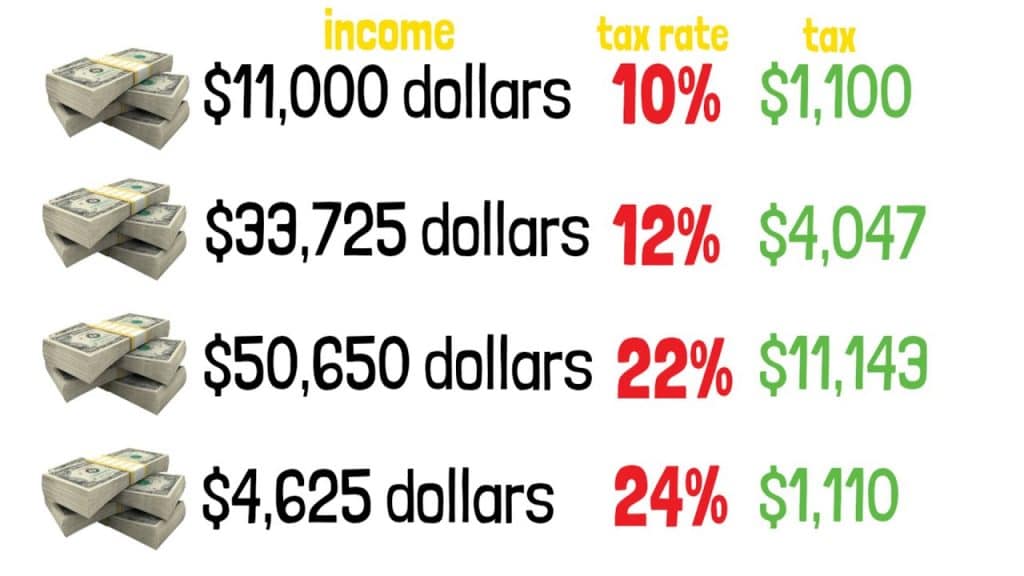
For most individuals, the U.S. tax system operates on a progressive basis, meaning the more you earn, the higher the percentage of your income you may owe in taxes. However, there are numerous deductions and credits available that can significantly reduce your tax liability. Thus, understanding the nuances of your personal situation is essential in answering the question, “should I taxes?”

Understanding Tax Obligations
Tax obligations can vary significantly based on your personal circumstances. Here are some key points to consider:
- Income Level: The IRS has set specific income thresholds that dictate whether you must file a tax return. For 2023, if you are single and earn more than $13,850, you must file a tax return.
- Filing Status: Your filing status (single, married filing jointly, head of household, etc.) also affects your tax obligations. Each category has different income thresholds.
- Self-Employment: If you’re self-employed and earn $400 or more, you are required to file a tax return and pay self-employment taxes.
- State Taxes: Depending on where you live, state tax obligations may also apply. Some states have no income tax, while others have varying rates that can impact your overall tax responsibilities.
In summary, answering the question “should I taxes” involves understanding your income sources, filing status, and any applicable state laws. If you’re still uncertain, consulting a tax professional can provide clarity tailored to your specific situation.
Understanding Your Tax Obligations
Here’s a straightforward guide to help you determine your tax responsibilities:
- Determine Your Income: Calculate your total income from all sources, including salaries, freelance work, and investment income.
- Know the Thresholds: Familiarize yourself with the IRS income thresholds based on your filing status and age.
- Identify Deductions and Credits: Research available deductions (like student loan interest or mortgage interest) and tax credits to potentially reduce your taxable income.
- Choose the Right Filing Status: Select your filing status based on your personal circumstances, as this can impact your tax rates and deductions.
- File Your Taxes: Use reliable tax software or consult a tax professional to prepare and file your tax return accurately before the deadline.
Common Mistakes to Avoid
When navigating your tax obligations, it’s easy to make mistakes that can lead to penalties or overpayment. Here are some common pitfalls to avoid:
- Failing to File: Even if you owe no taxes, failing to file can result in penalties. Always file your return on time.
- Misreporting Income: Ensure that all income is accurately reported, including side jobs or freelance work.
- Overlooking Deductions: Many taxpayers miss out on deductions they qualify for. Keep detailed records of expenses that might be deductible.
- Ignoring State Taxes: Don’t forget to check your state tax obligations, which can be different from federal requirements.
- Not Seeking Help: If your situation is complex, consider consulting a tax professional to ensure you’re compliant and maximizing your returns.
FAQ
What happens if I don’t pay my taxes?
If you fail to pay your taxes, you may face penalties, interest on the unpaid amount, and potential legal action from the IRS. It’s crucial to address any tax obligations promptly.
Can I file my taxes online?
Yes, there are numerous online platforms that allow you to file your taxes electronically. Many offer user-friendly interfaces and can help you claim deductions and credits.
What if I can’t afford to pay my taxes?
If you cannot afford to pay your taxes, the IRS offers payment plans and options for hardship. Contact them to discuss your situation and explore available solutions.
Are there tax benefits for freelancers?
Yes, freelancers can deduct business expenses such as home office costs, supplies, and travel expenses, which can significantly reduce taxable income.
How do I know if I’m eligible for tax credits?
Eligibility for tax credits often depends on income level, filing status, and the specific credit. Research available credits or consult with a tax professional to determine your options.
Conclusion
In answering the question “should I taxes,” it’s evident that most individuals will need to file taxes based on their income and personal circumstances. Understanding your tax obligations is vital for compliance and financial health. If you’re still unsure about your specific situation, consider reaching out to a tax professional for personalized advice. Remember, staying informed and proactive about your taxes can save you money and headaches in the long run!
This blog post is structured to provide comprehensive information about tax obligations while adhering to SEO best practices. It answers the question directly, includes relevant keywords, and offers actionable advice in a conversational tone.