
Understanding Taxes is Essential
When it comes to personal finance, one question often looms large: why taxes? Understanding taxes is not just a legal obligation; it is vital for your financial health and well-being. This post seeks to unravel the complexities surrounding taxes, helping you grasp their significance and the benefits of becoming tax-savvy.
why taxes
The simple answer to why taxes is that they are a fundamental component of any functioning society. Taxes fund essential public services such as education, healthcare, infrastructure, and national defense. Without taxes, governments would struggle to provide these services, which are crucial for maintaining societal order and quality of life. Additionally, taxes help redistribute wealth, ensuring that citizens contribute fairly based on their income levels.
Understanding taxes also empowers individuals to make informed decisions about their finances. By knowing how taxes work, you can effectively plan for your financial future, minimize liabilities, and even maximize your potential refunds. It’s not just about compliance; it’s about leveraging your tax knowledge to enhance your financial situation.

Understanding Taxes
Taxes come in various forms, including income tax, sales tax, property tax, and corporate tax. Each type has its own rules and implications. For instance, income tax is typically withheld from your paycheck and varies based on your earnings and filing status. Sales tax, on the other hand, is added at the point of purchase, impacting your overall spending.
One of the most critical aspects of understanding taxes is comprehending tax brackets and rates. The tax system in many countries, including the United States, is progressive, meaning that individuals with higher incomes pay a higher percentage of their income in taxes. Familiarizing yourself with these brackets can help you anticipate your tax obligations and plan accordingly.
Moreover, being aware of tax deductions and credits can significantly reduce your taxable income. For example, homeowners can deduct mortgage interest, while students may qualify for education credits. By understanding these elements, you can optimize your tax situation and retain more of your hard-earned money.
Step-by-Step Guide to Navigating Taxes
Now that we’ve addressed why taxes are important, let’s delve into a step-by-step guide to navigating your tax obligations:
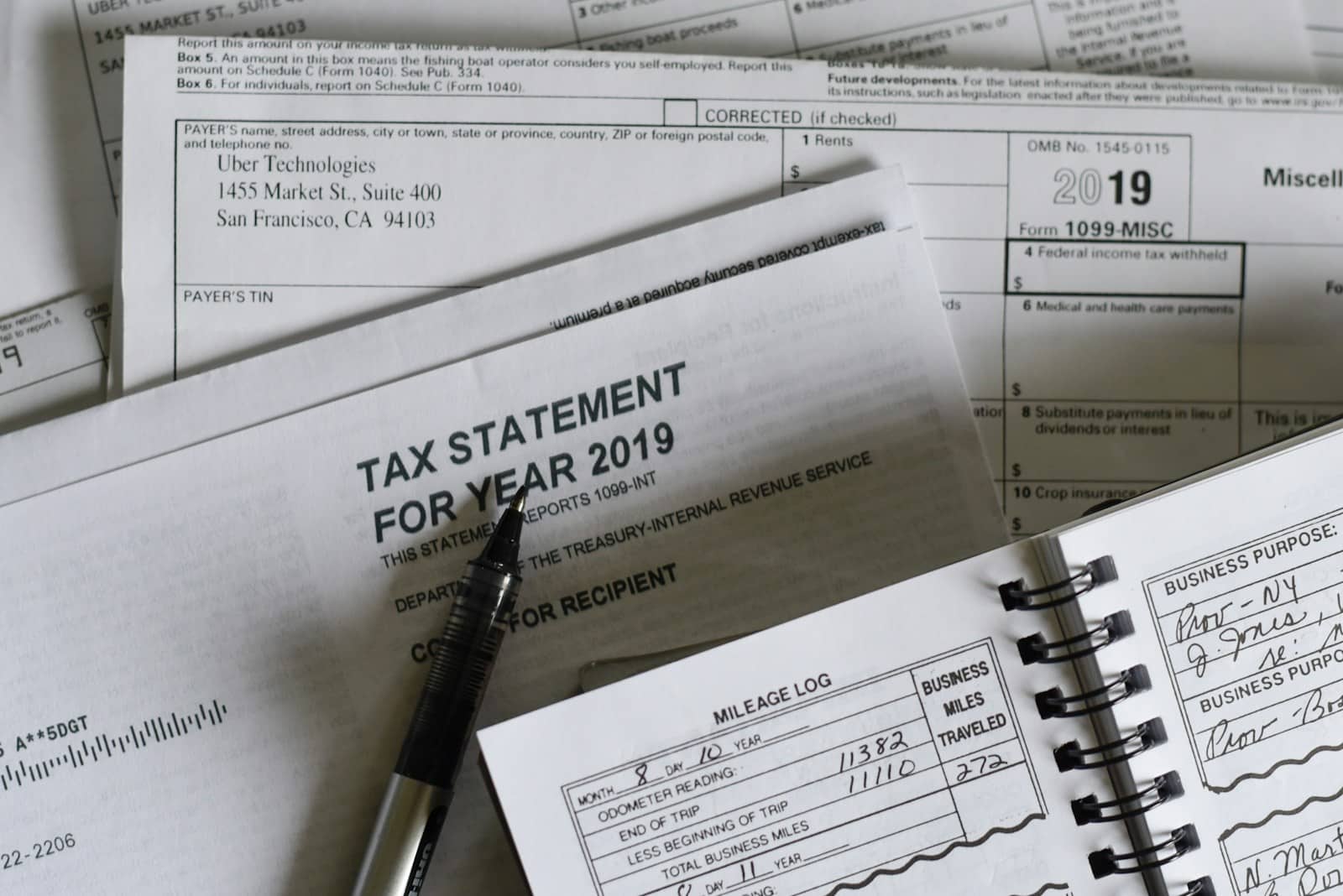
- 1. Gather Necessary Documents: Collect all relevant financial documents, including W-2s, 1099s, and receipts for deductible expenses.
- 2. Choose Your Filing Method: Decide whether to file your taxes yourself or hire a professional. Software programs can simplify the process for DIY filers.
- 3. Understand Deductions and Credits: Research available deductions and credits that apply to your situation.
- 4. Calculate Your Tax Liability: Use the appropriate tax tables or software to determine how much you owe.
- 5. File Your Taxes: Submit your tax return by the deadline to avoid penalties.
- 6. Plan for the Future: After filing, assess your tax situation to make better financial decisions for the next year.
Common Mistakes to Avoid
As you navigate the world of taxes, be aware of common pitfalls that can lead to costly errors:
- 1. Missing Deadlines: Late filings can incur penalties and interest. Always mark your calendar.
- 2. Failing to Keep Records: Maintain organized records of your income and expenses to substantiate your claims.
- 3. Ignoring Changes in Tax Laws: Tax laws frequently change, so stay informed to avoid surprises.
- 4. Overlooking Deductions: Many taxpayers miss out on valuable deductions simply due to lack of awareness.
- 5. DIY Without Knowledge: If you are unsure about the process, consider consulting a tax professional rather than risking mistakes.
FAQ
What are the main types of taxes I should be aware of?
The main types of taxes include income tax, sales tax, property tax, and estate tax. Each has different implications for individuals and businesses.
How can I reduce my tax liability?
You can reduce your tax liability by claiming deductions and credits, contributing to retirement accounts, and keeping detailed records of expenses related to your job or business.
When is the tax filing deadline?
In the United States, the federal tax filing deadline is typically April 15th. However, it may vary slightly from year to year, so always check for updates.
What should I do if I can’t pay my taxes?
If you can’t pay your taxes, contact the IRS or your local tax authority to discuss payment plans or options. Ignoring the issue can lead to more significant penalties.
Is it necessary to hire a tax professional?
While it’s not necessary, hiring a tax professional can be beneficial, especially if you have a complex financial situation or are unsure about the filing process.
Conclusion
In conclusion, understanding why taxes matter is crucial for maintaining your financial well-being. Taxes are not just a burden; they play a crucial role in society and can significantly impact your personal finances. By educating yourself about the tax system, you can make informed decisions that will benefit you now and in the future. Don’t let tax season stress you out; start planning today! For more tips and insights, subscribe to our blog and stay updated.