Master Your Finances: The Ultimate Guide
Are you wondering, “should I budgeting?” The answer is a resounding yes! Budgeting is an essential skill that can transform your financial outlook Master Your Finances
should I budgeting
Many people ask themselves, “should I budgeting?” The short answer is that budgeting is a powerful tool for anyone looking to gain control over their finances. Whether you are trying to pay off debt, save for a big purchase, or simply ensure that you are living within your means, a budget can help guide your spending decisions and keep you on track.
Budgeting allows you to see exactly where your money is going each month. By tracking your expenses and income, you can identify areas where you might be overspending and make necessary adjustments. It’s not just about cutting costs; it’s about making informed choices that align with your financial goals. If you still find yourself questioning, “should I budgeting” consider the long-term benefits: increased savings, reduced financial stress, and a clearer path to your financial goals.
Understanding Budgeting
Budgeting is the process of creating a plan to manage your income and expenses. At its core, budgeting involves three main components:
- Income: This includes all sources of money you receive, such as your salary, side hustles, and any passive income.
- Expenses: All the money you spend, including fixed costs (like rent) and variable costs (like groceries).
- Goals: Short and long-term financial objectives, such as saving for a vacation, buying a home, or retirement.
When you’re asking yourself, “should I budgeting?”, it’s important to recognize that effective budgeting can not only help you manage your current financial situation but also prepare you for unexpected expenses and future investments.
Step-by-Step Guide to Budgeting
If you’re ready to take control of your finances, here’s a step-by-step guide on how to create a budget:
- Assess Your Financial Situation: Gather all your financial statements, including bank statements, bills, and pay stubs. Calculate your total monthly income and expenses.
- Set Your Financial Goals: Define what you want to achieve financially in the short term (like saving for a vacation) and long term (like retirement). Write these goals down.
- Create Your Budget: Use a budgeting method that works for you. The 50/30/20 rule is popular: allocate 50% of your income to needs, 30% to wants, and 20% to savings.
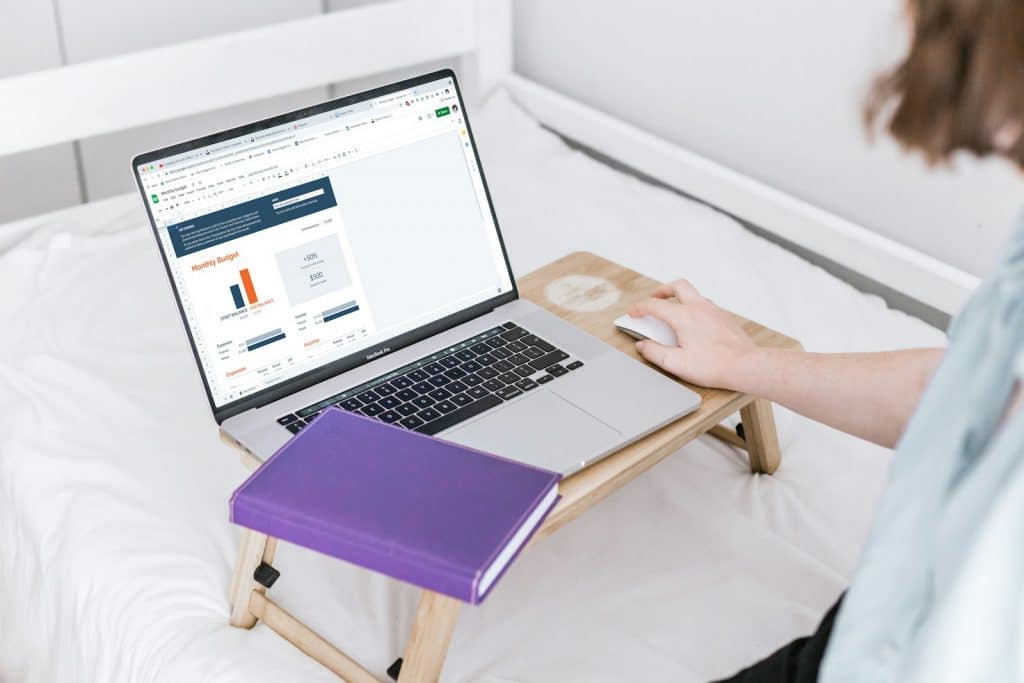
- Track Your Spending: Monitor your expenses regularly to ensure you’re sticking to your budget. Use apps or spreadsheets to make this easier.
- Adjust as Necessary: Life changes, and so will your budget. Review and adjust your budget monthly to reflect any changes in income or expenses.
By following these steps, you’ll not only answer the question “should I budgeting?” with confidence, but you’ll also take actionable steps toward financial empowerment.

Common Mistakes to Avoid
As you embark on your budgeting journey, be mindful of these common mistakes:
- Underestimating Expenses: Many people forget to account for irregular expenses. Make sure to include annual fees, subscriptions, and unexpected costs.
- Not Tracking Spending: Creating a budget is just the first step. If you don’t actively track your spending, it’s easy to go off course.
- Setting Unrealistic Goals: While it’s great to aim high, setting unattainable goals can lead to frustration. Set achievable, incremental goals instead.
- Not Revisiting Your Budget: A budget should be dynamic. Regularly review and adjust it as your financial situation changes.
FAQ
What is the best budgeting method for beginners?
The 50/30/20 rule is often recommended for beginners. It allocates 50% of income to needs, 30% to wants, and 20% to savings, making it easy to understand and implement.
How often should I review my budget?
It’s advisable to review your budget monthly. This allows you to make adjustments based on any changes in income or expenses.
Can budgeting help with debt management?
Absolutely! Budgeting can help you allocate funds specifically for debt repayment, ensuring that you stay on track to become debt-free.
Is there an app that can help with budgeting?
Yes, there are many budgeting apps available, such as Mint, YNAB (You Need A Budget), and PocketGuard, which can help you track expenses and manage your budget effectively.
What should I do if I go over budget?
Don’t panic! Analyze where you overspent, identify the reasons, and adjust your budget or spending habits moving forward to prevent it from happening again.
Conclusion
In conclusion, if you’ve been pondering “should I budgeting?”, the answer is a definitive yes. Budgeting is an invaluable tool that can lead to a more organized and stress-free financial life. By understanding your finances, setting clear goals, and adhering to a budget, you can pave the way for financial security and success.
Take the first step today by creating your budget and watch how it transforms your financial health. Need help getting started? Download a budgeting app or consult with a financial advisor to guide you on your journey. Your future self will thank you!