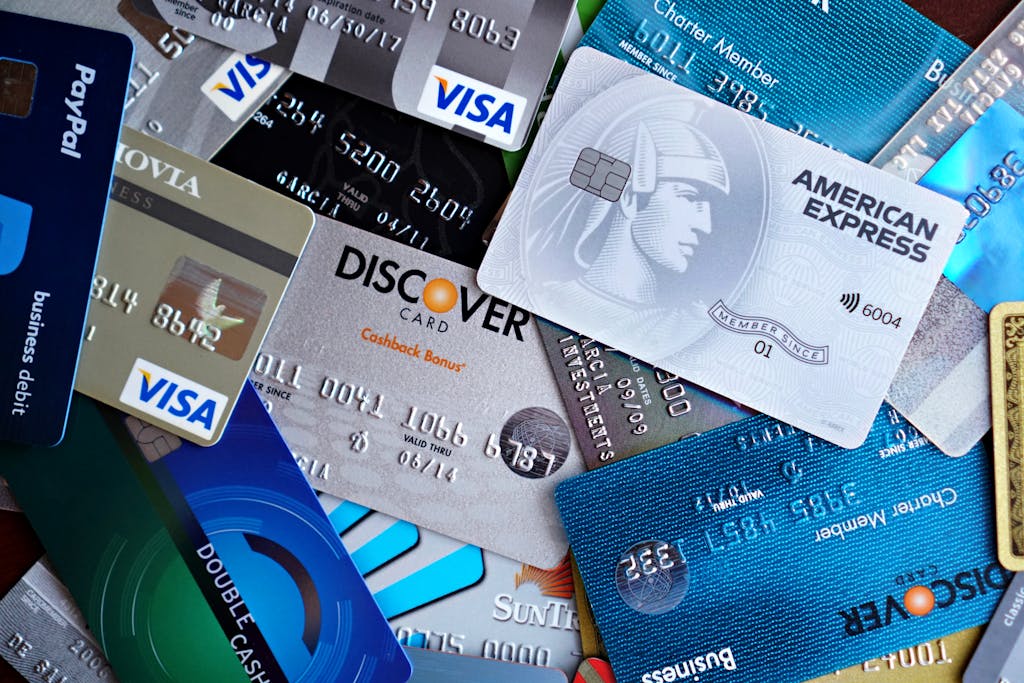
Common Credit Card Mistakes
When it comes to managing personal finances, one critical area often overlooked is understanding the common mistakes with credit cards. These missteps can lead to significant financial repercussions, including high-interest debt and damaged credit scores. In this blog post, we will explore the top ten mistakes people make with their credit cards and provide actionable tips to help you navigate the credit landscape effectively.
common mistakes with credit cards
There are several common mistakes with credit cards that many consumers make. From overspending to misunderstanding interest rates, these errors can hinder your financial health. First, many individuals fail to make timely payments, which can lead to late fees and increased interest rates. Additionally, some people do not utilize their credit cards wisely, resulting in high utilization rates that can negatively impact their credit scores.
Another significant mistake is not taking full advantage of rewards programs. Many credit card users leave money on the table by not using their cards for the best rewards categories or failing to redeem points effectively. Overall, understanding these mistakes is crucial for anyone looking to maintain a healthy financial life and improve their credit profile.
Understanding Common Credit Card Mistakes
Credit cards are powerful financial tools that can help you build credit and earn rewards. However, they also come with risks if not managed properly. Understanding the common mistakes with credit cards can empower you to make better financial decisions. For instance, many users underestimate the importance of their credit utilization ratio, which is the percentage of their available credit that they’re currently using. Keeping this ratio below 30% is ideal for maintaining a good credit score.
Moreover, another mistake is ignoring the terms and conditions associated with credit cards. Many consumers sign up for cards without fully understanding the fees, interest rates, and penalties. This lack of knowledge can lead to financial pitfalls that could have been easily avoided. By educating yourself about the terms, you can prevent unnecessary charges and make informed decisions about how to use your credit card effectively.

Step-by-Step Guide to Avoiding Credit Card Mistakes
If you want to avoid the common mistakes with credit cards, follow this step-by-step guide:
- Know your due date: Always be aware of when your payment is due and set reminders to ensure you make payments on time.
- Review your statement monthly: Regularly check your credit card statement for any unauthorized charges or errors.
- Pay more than the minimum: To reduce interest costs, pay more than the minimum payment whenever possible.
- Utilize rewards wisely: Familiarize yourself with your card’s rewards program to maximize potential benefits.
- Keep your credit utilization low: Aim to use less than 30% of your available credit to maintain a healthy credit score.
Common Mistakes to Avoid
Here are the top ten common mistakes with credit cards that you should avoid:
- Late Payments: Missing payments can lead to hefty fees and negatively affect your credit score.
- High Credit Utilization: Using too much of your available credit can signal financial distress to lenders.
- Ignoring Interest Rates: Understanding your card’s APR is essential to avoid high-interest charges.
- Only Paying the Minimum: Paying only the minimum amount can result in debt accumulation due to interest.
- Not Using Rewards: Failing to take advantage of rewards programs can mean missed financial benefits.
- Applying for Too Many Cards: Multiple credit inquiries can lower your credit score, so be selective about applications.
- Not Monitoring Your Credit Score: Regularly checking your credit score can help you catch errors and track your financial health.
- Ignoring Fees: Be aware of annual fees, foreign transaction fees, and other charges associated with your card.
- Using Credit for Everyday Expenses: Relying too heavily on credit can lead to overspending and debt accumulation.
- Not Understanding Terms and Conditions: Always read the fine print to avoid unexpected charges and penalties.
FAQ
What is credit utilization, and why is it important?
Credit utilization is the ratio of your current credit card balances to your total credit limits. It’s important because it affects your credit score; keeping it below 30% is recommended for maintaining a healthy score.
How can I improve my credit score quickly?
To quickly improve your credit score, pay down existing debt, make all payments on time, and avoid applying for new credit cards.
What should I do if I miss a credit card payment?
If you miss a payment, make the payment as soon as possible. Contact your issuer to explain the situation; they may waive the late fee if it’s your first missed payment.
Are there any benefits to using credit cards responsibly?
Yes! Responsible credit card usage can help build your credit history, improve your credit score, and earn rewards like cash back or travel points.
How often should I check my credit report?
You should check your credit report at least once a year to ensure accuracy and to monitor for any signs of identity theft.
Conclusion
By understanding and avoiding the common mistakes with credit cards, you can significantly improve your financial health and credit score. Remember, credit cards can be a valuable tool when managed wisely. Take the time to educate yourself, implement best practices, and monitor your credit regularly. If you found this article helpful, consider sharing it with friends or family who might benefit from this information!